
Insider Brief
- Baiju Bhatt, billionaire co-founder of Robinhood Markets Inc., has launched a new space-based energy startup, Aetherflux.
- The company aims to develop a network of satellites that will collect and transmit solar power from space to Earth. The plan involves launching a small test satellite to an altitude of about 550 kilometers by 2026 aboard a SpaceX rocket.
- Bhatt is currently self-funding the project and serves as Aetherflux’s CEO.
Baiju Bhatt, billionaire co-founder of Robinhood Markets Inc., is aiming to revolutionize space-based energy with his new startup, Aetherflux. Bhatt, who stepped down as Robinhood’s chief creative officer in March, announced he has shifted focus to developing a network of satellites that will collect and transmit solar power from space to Earth. He is currently self-funding the project and serves as Aetherflux’s CEO.
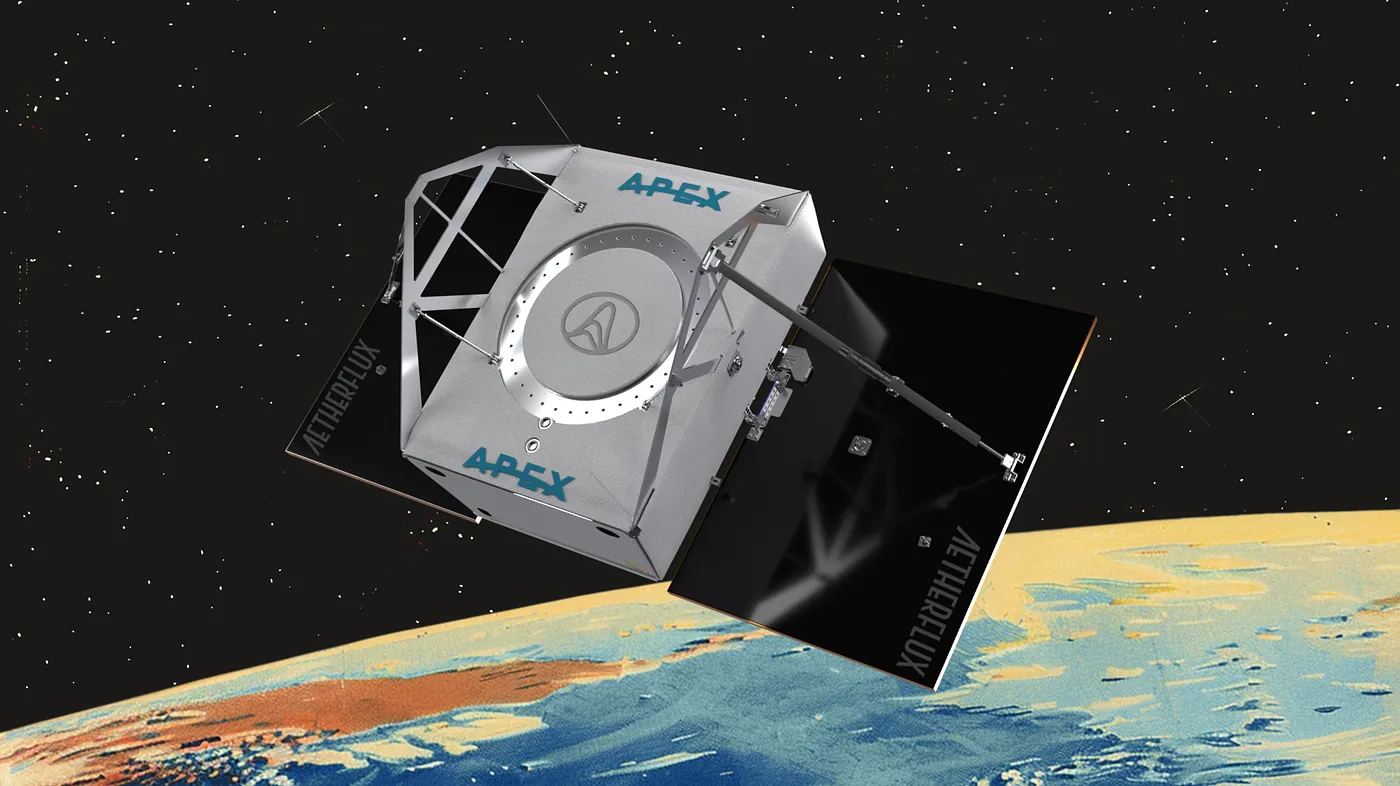
The startup, based in San Carlos, California, is working on creating a constellation of satellites that would collect solar energy in orbit and transmit it via infrared lasers to customers on Earth. The plan involves launching a small test satellite to an altitude of about 550 kilometers by 2026 aboard a SpaceX rocket. Bhatt envisions Aetherflux evolving into an energy-focused satellite network, much like SpaceX’s Starlink, which now operates more than 6,000 communication satellites.
Aetherflux is part of a broader wave of space investments for Bhatt, whose net worth is estimated at around $2 billion. He’s also backing other space ventures, including Apex, a Los Angeles-based startup specializing in standardized satellite frameworks. Apex launched its first satellite bus in March. Additionally, Bhatt participated in a $6.5 million seed round for Reflect Orbital, another space-based solar startup aiming to use mirrors in low-Earth orbit to reflect sunlight onto solar farms on Earth, even after dark.
Although Bhatt acknowledges that space-based solar power is still in its early stages, Aetherflux aims to demonstrate its potential once its satellites begin launching. Skeptics, including Henri Barde, former head of power systems at the European Space Agency, remain unconvinced that breakthroughs in extraterrestrial solar power are imminent. Nevertheless, Bhatt is optimistic, seeing this as the first step toward turning a theoretical concept into a practical reality.
As Aetherflux and other startups push forward, they are part of a growing interest in space-based solar power. Researchers in China, Japan, and South Korea are also developing similar technologies. However, the road to widespread adoption remains long, with significant technical and financial hurdles to overcome.
Bhatt’s vision for Aetherflux could change how the world thinks about energy generation, particularly in areas where land for solar farms is limited. But for now, the industry will be watching closely to see how these early satellite launches perform.
Image credit: Aetherflux