
Insider Brief:
- The Federal Aviation Administration (FAA) has granted SpaceX a license for the fourth flight of its Starship rocket system.
- SpaceX plans to launch the 400-foot-tall (122-meter) Starship rocket on Thursday at 7 a.m. CDT (1200 GMT) from its facilities in south Texas.
- The main goal of Thursday’s test flight is to survive the intense heat of atmospheric reentry, a critical point at which it failed in the March test.
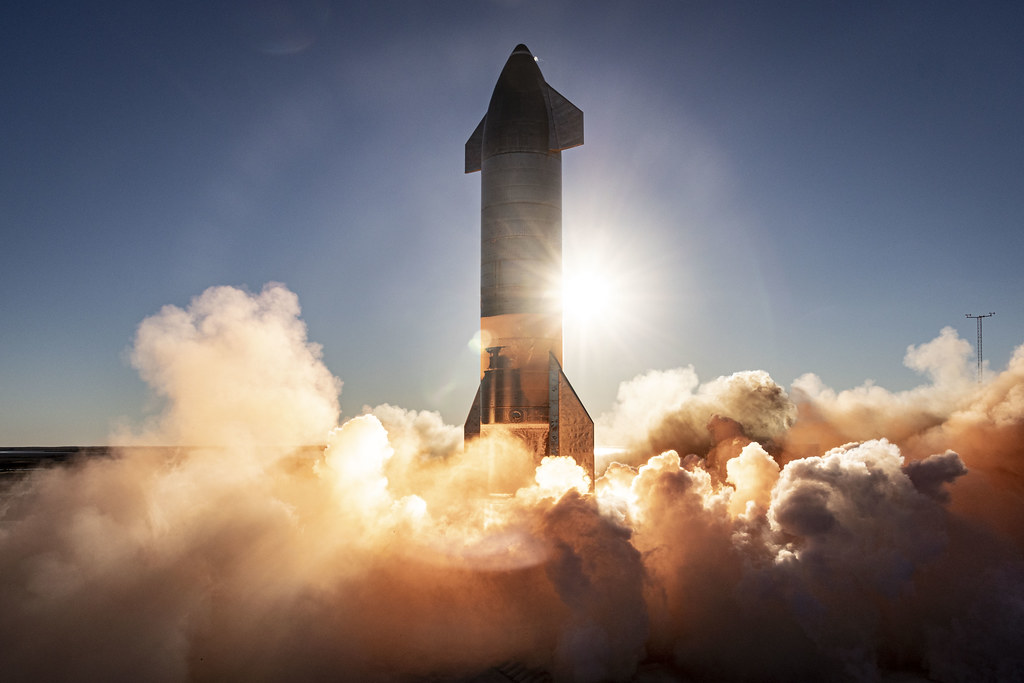
The Federal Aviation Administration (FAA) has granted SpaceX a license for the fourth flight of its Starship rocket system. The company reportedly plans to launch the 400-foot-tall (122-meter) Starship rocket on Thursday at 7 a.m. CDT (1200 GMT) from its facilities in south Texas. This launch follows previous test flights, which are part of the company’s ongoing development campaign. Each test has pushed the boundaries further, though none have yet completed all objectives without exploding.
Starship is crucial to SpaceX’s future plans. The fully reusable rocket aims to be cheaper and more powerful than the current Falcon 9. NASA intends to use Starship to land astronauts on the moon later this decade – if successful, this would be the first crewed lunar landing since 1972.
In Thursday’s test, the rocket system’s first stage, Super Heavy, will lift off using its 33 Raptor engines. After separation, Super Heavy will aim for a controlled return to the Gulf of Mexico. Meanwhile, the second stage, Starship, will continue into space and attempt a reentry over the Indian Ocean. The main goal is to survive the intense heat of atmospheric reentry, a critical point at which it failed in the March test.
SpaceX CEO Elon Musk emphasized the importance of this mission, stating the goal is to achieve much deeper atmospheric penetration during reentry, ideally enduring maximum heating.
Starship features hundreds of black tiles designed to protect it from the extreme heat of reentry. This test is vital for SpaceX’s rapid development of Starship, a key element of NASA’s Artemis program and a competitor to China’s lunar ambitions.