
Insider Brief:
- NASA and Lockheed Martin have collaborated on developing a groundbreaking space plane, the X-59, designed to revolutionize air travel by minimizing the sonic boom typically associated with supersonic flight.
- The space plane aims to fly at 1.4 times the speed of sound.
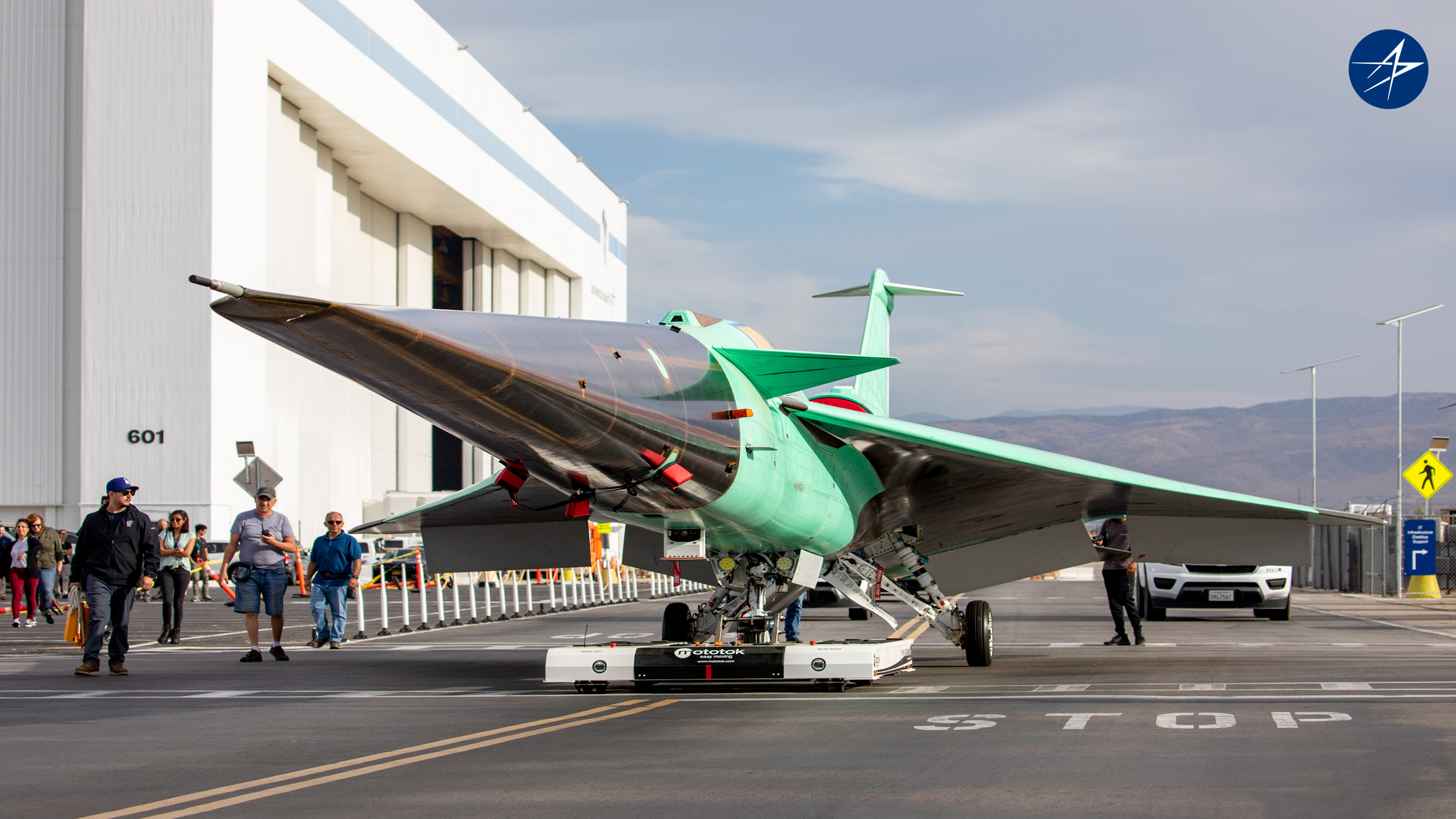
- The X-59 incorporates innovative design elements, including a 30-meter-long, 9-meter-wide structure with a distinctive tapered nose aimed at mitigating the disruptive effects of sonic booms.
NASA and Lockheed Martin have collaborated on developing a groundbreaking space plane, the X-59, designed to revolutionize air travel by minimizing the sonic boom typically associated with supersonic flight. The X-59, set for its maiden flight later this year, aims to fly at 1.4 times the speed of sound, to pave the way for a new generation of commercial jets capable of supersonic travel. Unlike its predecessors, the Tupolev TU-144 and Concorde, the X-59 incorporates innovative design elements, including a 30-meter-long, 9-meter-wide structure with a distinctive tapered nose aimed at mitigating the disruptive effects of sonic booms. The aircraft also features an eXternal Vision System, utilizing high-resolution cameras to provide a clear view for the pilot. If successful, the X-59’s test flights will mark a significant milestone in achieving faster global travel in the future, addressing the limitations imposed by subsonic flights and potentially reducing trans-Atlantic crossing times.
For more market insights, check out our latest space industry news here.