
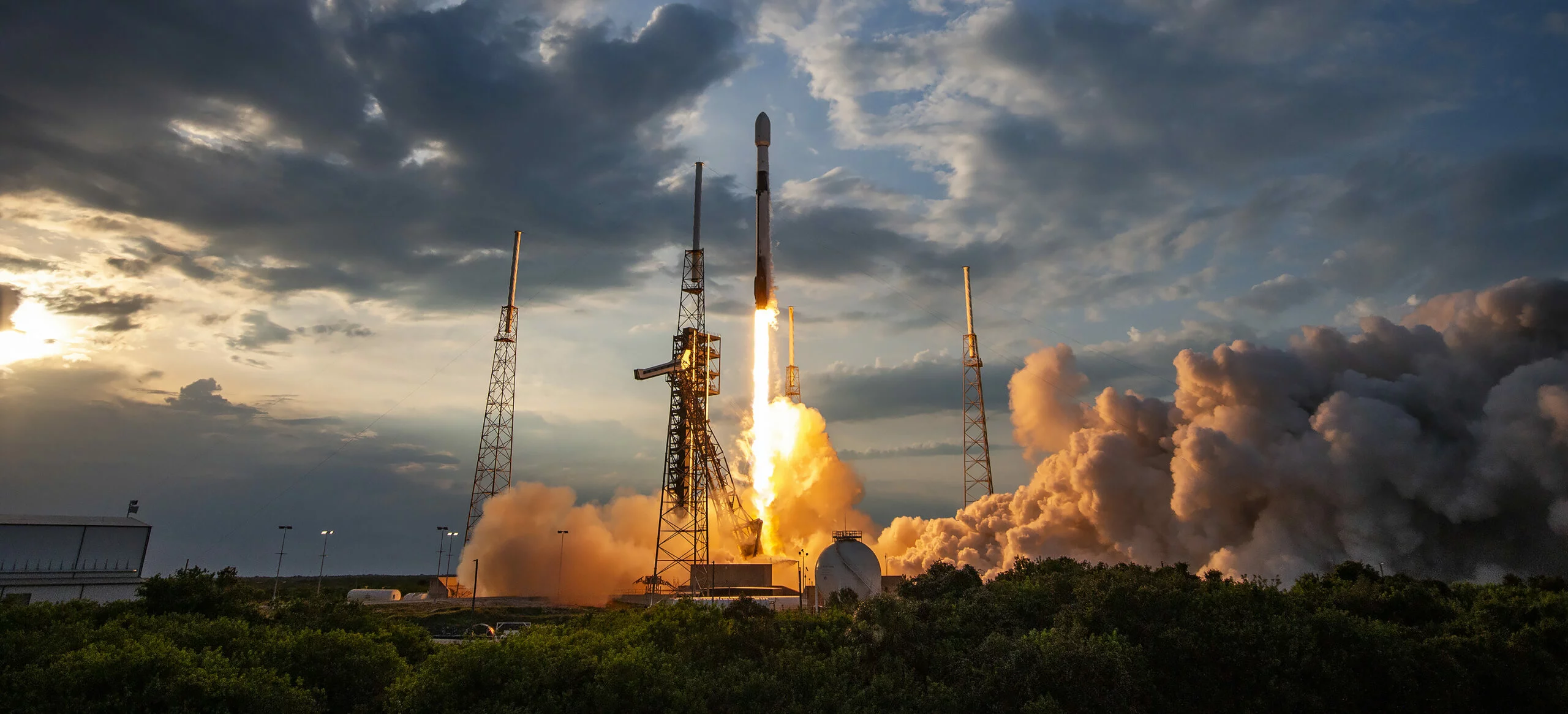
NASA will re-authorize SpaceX’s Falcon 9 before its next astronaut crew or cargo mission, following a rare failure during an engine burn on July 11 due to an oxygen leak. SpaceX requested the FAA to permit future launches, citing no public safety risk. However, NASA will conduct its own review process regardless of the FAA’s decision.
“The FAA has got to finish their work and authorize SpaceX for launches [first],” NASA program manager Dana Weigel told Space.com in a livestreamed ISS briefing on Wednesday (July 17) and adding that the differences in how Falcon 9 is configured for satellites and for humans, NASA stated that it will take a close look independently of the FAA.
The upcoming NASA mission, Crew-9, aims to send four astronauts to the ISS in mid-August. Despite the mishap, ISS supplies are adequate for four months, and Northrop Grumman’s Cygnus spacecraft, also using Falcon 9, is scheduled to launch on August 3 to deliver critical hardware.
A NASA spokesperson confirmed that SpaceX is collaborating closely with the agency and the FAA during the investigation. Crew safety and mission assurance remain top priorities, and any necessary corrective actions will be implemented. Falcon 9, which has failed only twice in 366 launches over 14 years, continues to be a reliable launch vehicle for various missions.
Sarah Walker, SpaceX’s director of Dragon mission management, stated that the current priority is addressing the issue and preventing future occurrences. The review will ensure all related systems are examined and corrective measures are in place.
Upcoming launches include the private Polaris Dawn crew mission on July 31, funded by billionaire Jared Isaacman. Walker noted that it is too early to predict any schedule changes but assured that updates will be provided if there are impacts on launch dates.
Featured image: Credit: SpaceX