
Insider Brief:
- The European Galileo navigation system has added two additional satellites, expanding the constellation to 30 satellites.
- The recent launch follows shortly after the initiation of new Public Regulated Service (PRS) signals, an encrypted navigation service catering to authorized governmental users and sensitive applications.
- The Second Generation or Galileo satellites’ launches are expected in 2026 using the Ariane 6 launcher.
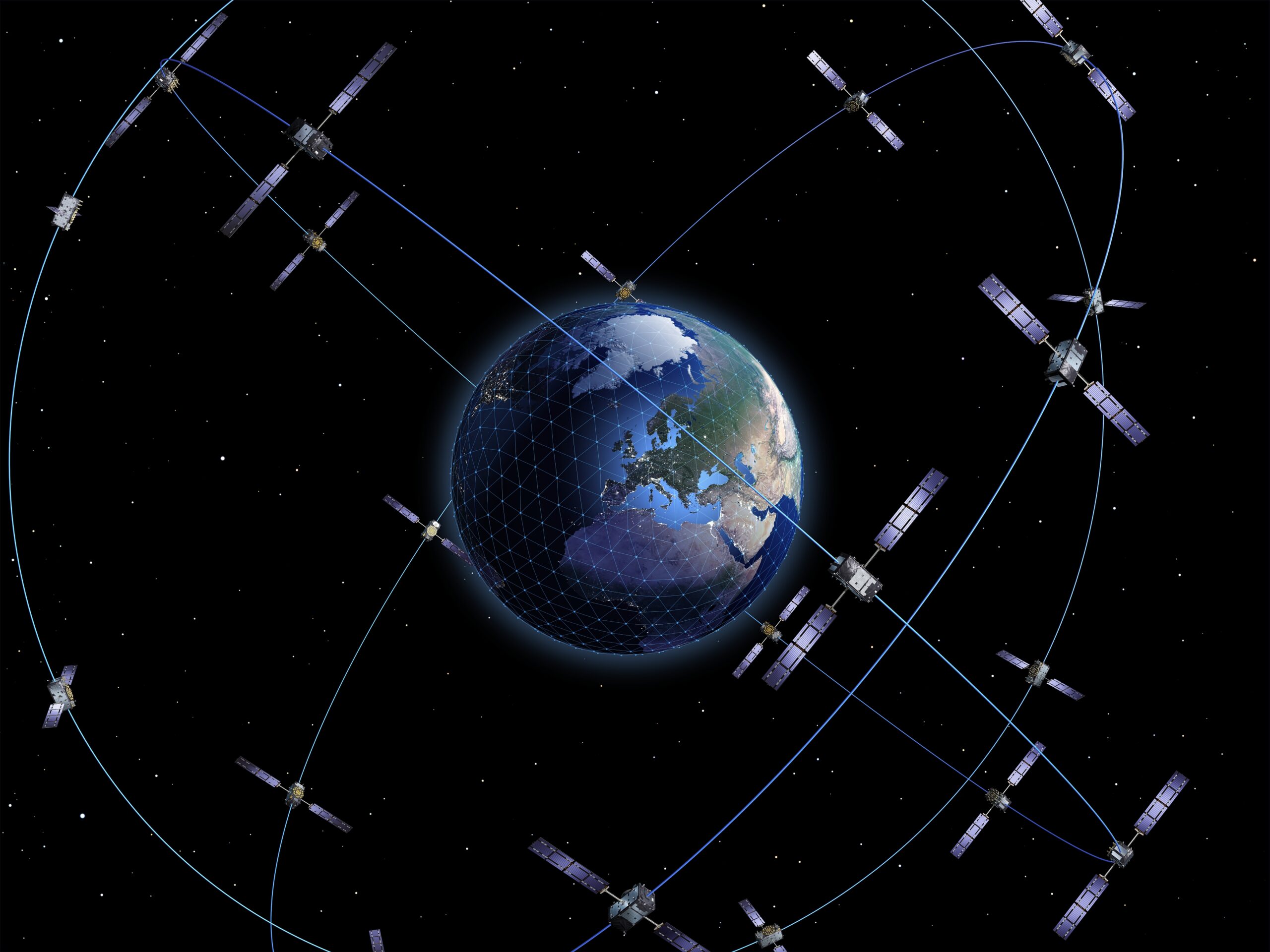
Early morning on Sunday, April 28, at 01:34 BST/02:34 CEST, the European Galileo navigation system welcomed two additional satellites into orbit, expanding its constellation to 30 satellites as announced by the ESA. This expansion enhances the system’s reliability, robustness, and precision, benefiting billions of users worldwide.
Galileo has been operational since 2016, offering the most precise satellite navigation globally and standing as the largest European constellation of satellites. Its impact spans various sectors, including rail, maritime, agriculture, financial timing services, and rescue operations.
Strategic sectors rely heavily on Galileo, with 10% of the EU’s annual GDP already depending on satellite navigation, a figure that is expected to grow. From everyday navigation to supporting Search and Rescue activities and providing ultra-precise timestamps for institutional and commercial applications, Galileo plays a crucial role in our daily lives.
To date, the European Space Agency (ESA) and European industry have developed and tested 38 Galileo satellites for the EU’s Galileo program. Of these, four In-Orbit-Validation and 26 Full Operation Capability satellites have been placed in orbit through 12 launches.
The recent launch follows shortly after the initiation of new Public Regulated Service (PRS) signals, an encrypted navigation service catering to authorized governmental users and sensitive applications. This service enhances Europe’s autonomy and resilience in satellite navigation.
The remaining eight Galileo First Generation satellites are expected to launch soon with the Second Generation (G2) of satellites joining the constellation soon after. The latter’s launches are expected in 2026 using the Ariane 6 launcher. ESA, Galileo’s design authority and system development prime, collaborates with European industry to develop these G2 satellites, which promise enhanced capabilities, including electric propulsion, more powerful navigation antennas, better atomic clocks, and fully digital payloads.
Galileo currently serves over four billion smartphone users globally since its Open Service inception in 2016 and has become a staple in the European Single Market, with all smartphones sold now guaranteed Galileo-enabled. Managed by the European Commission and funded by the EU, Galileo is a flagship program overseen by ESA for the design, development, and qualification of space and ground systems, along with launch procurement. ESA also conducts research and development activities for Galileo’s future within the EU program Horizon Europe. The EU Agency for the Space Programme (EUSPA) serves as the service provider, ensuring market uptake and engaging with users.
Image credit: ESA