Insider Brief:
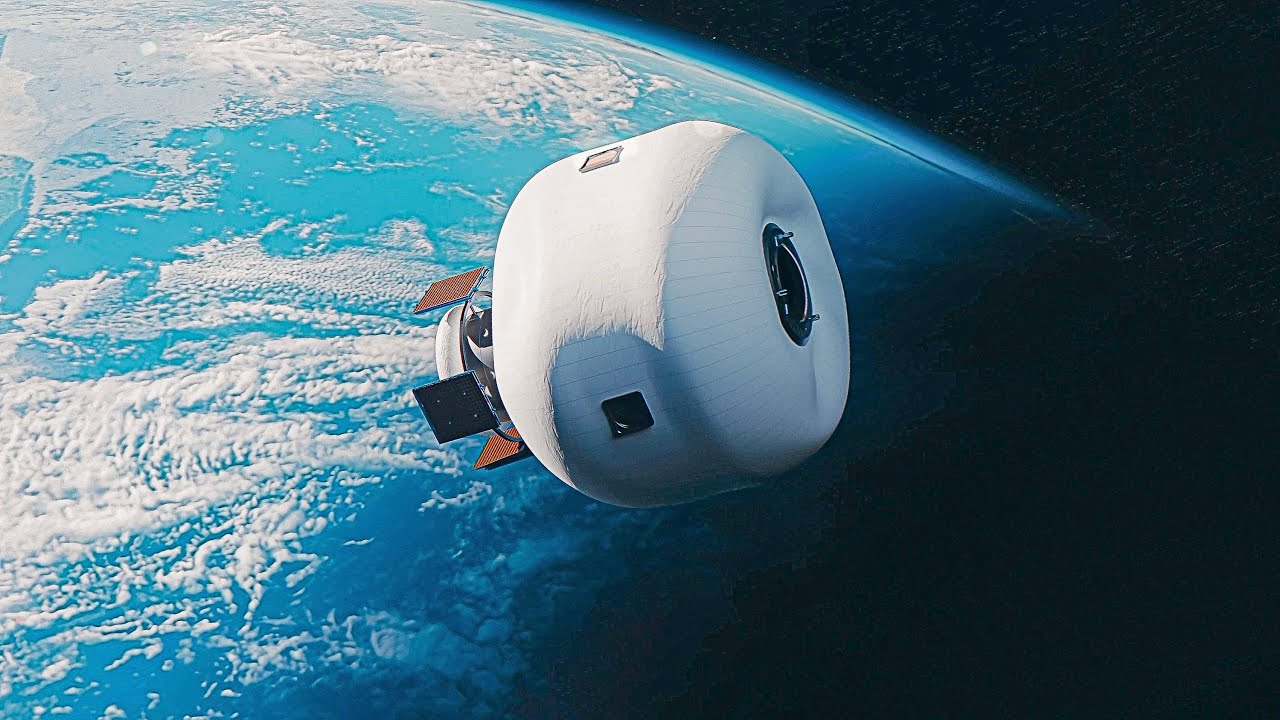
- Max Space is seeking to launch its expandable habitats into Earth’s orbit with SpaceX in 2026.
- The company is developing scalable habitat designs ranging from 20 cubic meters to an impressive 1,000 cubic meters.
- By minimizing mass and volume, these habitats promise a more cost-effective solution for space inhabitation.
- Image credit: Max Space.
Max Space, a Florida-based startup, is aiming to transform the way we inhabit space. The company has set its sights on launching expandable habitats into Earth’s orbit by the end of the decade. Spearheaded by co-founder Aaron Kemmer, the company seeks to address the pressing need for more livable space beyond our planet.
Kemmer emphasizes the critical challenge facing space exploration: the scarcity of habitable space. He envisions a future where inhabiting space is not only feasible but also economically viable. With this mission in mind, Max Space is developing scalable habitat designs ranging from 20 cubic meters to an impressive 1,000 cubic meters.
The innovative aspect of Max Space’s approach lies in its new approach to inflatable habitats, which offer significant advantages over traditional structures. “It’s a very, very, very different approach, where you’re just putting fibers in an uncoupled scenario where they don’t conflict with one another,” said Kemmer’s co-founder, Maxim de Jong, as reported by Space.com. By minimizing mass and volume, these habitats promise a more cost-effective solution for space travel. Furthermore, their versatility extends beyond orbit, with potential applications on the surface of the Moon and Mars.