
Insider Brief:
- Japan company, Space One‘s small Kairos rocket exploded shortly after liftoff.
- The rocket was carrying an experimental government satellite designed to temporarily replace intelligence satellites in orbit.
- Despite the setback, Space One remains determined to establish itself in the competitive space industry by offering “space courier services” to both domestic and international clients.
- Image credit: Space One
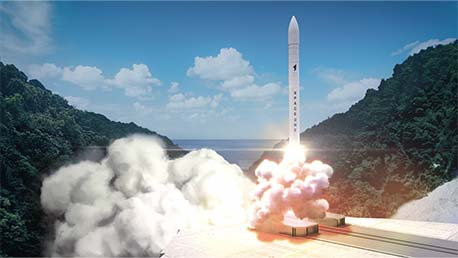
Japan’s space ambitions suffered a setback on Wednesday as Space One’s small Kairos rocket exploded shortly after liftoff, marking a disappointing start for the company’s mission to put a satellite in orbit. The 59-foot solid-fuel rocket experienced a catastrophic failure just seconds after launch.
The incident occurred on the tip of the mountainous Kii peninsula in western Japan, leaving behind a scene of smoke, fire, and debris. While Space One stated the flight was “interrupted” and is currently investigating the cause, the exact reason behind the explosion remains unclear.
Kairos, carrying an experimental government satellite designed to temporarily replace intelligence satellites in orbit, faced delays prior to its ill-fated launch. A previous attempt was postponed due to a ship entering the restricted sea area nearby.
Despite the setback, Space One remains determined to establish itself in the competitive space industry. The company aims to offer “space courier services” to both domestic and international clients, with plans to launch 20 rockets annually by the late 2020s. However, the failure of Kairos raises questions about the company’s ability to compete with established players like Rocket Lab, especially considering the latter’s track record and comparatively lower launch costs.
Japan’s space sector has been striving for greater prominence, with initiatives like the successful launch of the new H3 rocket by the Japan Aerospace Exploration Agency (JAXA). Furthermore, collaborations with the United States exemplify Japan’s efforts to bolster its aerospace capabilities amidst technological and military competition from China and Russia.
The Japanese government’s commitment to supporting space startups, particularly those with technologies critical for national security, highlights the strategic importance of the space sector. Notably, a recent deal between Japan’s defense ministry and Space One aims to enhance rocket payloads through experiments with fuel-efficient methane engines, signalling continued efforts to advance space technology domestically.
For more market insights, check out our latest space industry news here.